Cases
There have been many cases on the news showing the detrimental effects of sweatshops on people's lives. These are just three examples.
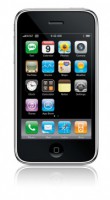
Taiwan-invested Foxconn who are responsible for assembling iPhones and a number of other electronic devices for large companies are in charge of many sweatshops and housing for over 450,000 migrant workers in China. Witnesses claim these sweatshops beat workers in an almost concentration camp way. If concentration camps are intolerable in our society, why are sweat shops still allowed? Migrant workers are treated like near slaves to keep costs low and efficiency high. Employee suicides have been well known within Foxconn and there are even suicide nets installed.
Nike is another contributer to seatshops. Through a search, they found false factory documents, payroll records and many underaged workers. China is it's biggest outsourcing company; home to over 210,000 Nike employees. Through another identity check out of 150,000 of it's workers, 167 were underaged when hired.

Silicon sweatshops are popular in China for electronics. They have little safety precautions and dozens of workers have suffered nerve damage in a factory in China. Wintek is a company responsible for components for Apple, Nokia and many other tech companies. On the other hand, it is increasingly well known for using poor work conditions and violating labour regulations. N-hexane is a very toxic chemical . It was used illegally without proper equipment within Wintek's factories. It not only does severe damage to the nervous system , but can cause paralysis. One worker is quoted towards saying, "We dare not to talk because we are afraid of punishment."